
Understanding Sports Broadcasting Fundamentals
Defining Sports Broadcasting
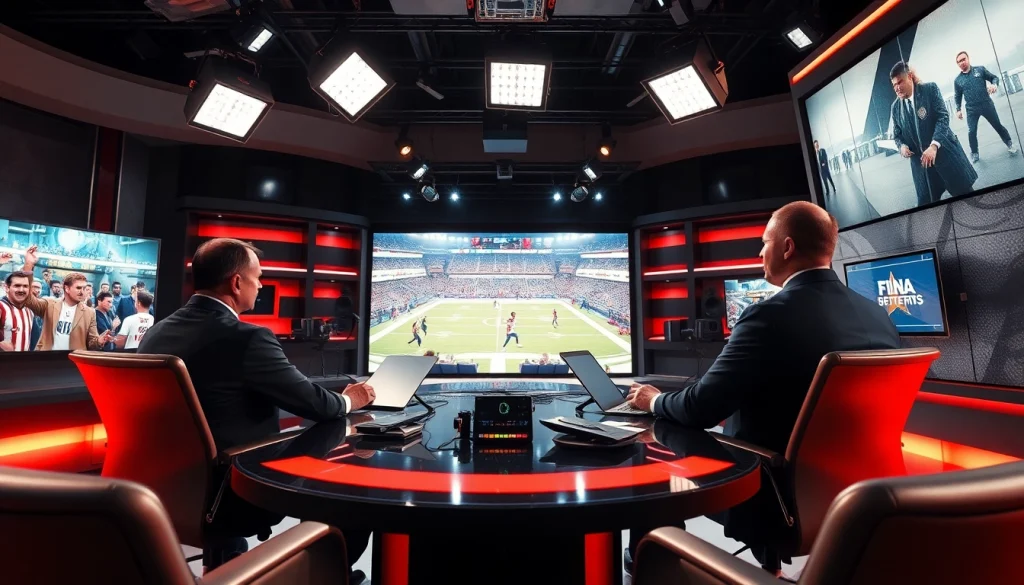
Sports Broadcasting represents a dynamic intersection of media and athletic competition, encompassing the transmission of sports events via television, radio, and online platforms. It facilitates real-time viewing of games, athlete performances, and sports-related news. With billions of fans worldwide, it has evolved into much more than merely sharing scores, creating narratives around events, fostering community among fans, and bringing individuals closer to their favorite sports. Central to this industry is the goal to enhance the spectator’s experience by delivering rich content and engaging stories. The importance of Sports Broadcasting continues to grow as it adapts to modern technological advancements and shifting viewer preferences.
Key Roles in Sports Broadcasting
Sports broadcasting involves a myriad of responsibilities and roles, vital for delivering quality content to audiences. Key positions include:
- Producers: They oversee the entire production process, ensure the flow of the broadcast, and coordinate crew activities.
- Commentators: Known for providing live commentary, they offer insights, highlight critical plays, and create a narrative for the audience.
- Cameramen: Vital for capturing the essence of the game, they must be skilled in filming dynamic and fast-paced action.
- Editors: They compile footage post-broadcast, creating highlight reels and recaps that maintain viewer interest.
- Sports Analysts: By analyzing statistics and player performance, they provide deeper insights to inform fans.
Together, these roles collaborate to create a seamless viewing experience that brings the thrill of sports right into the homes of viewers.
The Evolution of Sports Broadcasting
Understanding the development of sports broadcasting over the decades is crucial. From radio’s inception, providing live scores in the early 20th century, to the introduction of television, which brought visual storytelling to fans, each technological leap has transformed how viewers consume sports. The arrival of the internet in the late 1990s marked another pivotal turn, facilitating real-time updates and leading to the rise of streaming services. Today, we see an environment where social media plays a significant role in enhancing live event broadcasts, allowing fans to interact and engage with sports content like never before. As new technologies continue to emerge, the landscape of sports broadcasting is almost unrecognizable compared to its early roots.
Technology in Sports Broadcasting
Latest Innovations in Sports Broadcasting
The broadcasting industry has seen tremendous innovation. High-definition and ultra-high-definition video quality offer viewers a crystal-clear viewing experience. Additionally, advancements like Augmented Reality (AR) and Virtual Reality (VR) provide immersive experiences, allowing fans to engage with games as if they were at the stadium. Graphics packages enhance storytelling by presenting data in an engaging way, while AI is increasingly used in game analysis and commentary, predicting play outcomes and offering insights based on real-time data.
Tools and Equipment for Broadcast Success
Achieving success in sports broadcasting requires not only talent but also the right tools and equipment. Essential items include:
- HD Cameras: Essential for capturing high-quality footage in various lighting conditions.
- Broadcast Switchers: Allow for seamless transitions between video feeds and graphics.
- Microphones: Quality microphones ensure clear audio for commentary and crowd interactions.
- Graphics Software: Tools like Chyron and Vizrt help create overlays and statistical graphics in real-time.
- Replays and Graphics Tools: Integrating playback technology ensures fans can relive critical moments instantly.
Investing in cutting-edge tools not only enhances broadcast quality but also boosts viewer satisfaction.
Impact of Streaming Platforms on Sports Broadcasting
The rise of streaming platforms has revolutionized sports broadcasting, shifting where and how fans watch their favorite teams. Platforms such as Hulu, Amazon Prime, and ESPN+ offer flexibility, allowing fans to watch on multiple devices at their convenience. This shift has prompted traditional broadcasters to reconsider their models and adapt to digital-first strategies. With an estimated increase in online viewership, streaming networks leverage data analytics to better understand viewer preferences, tailoring their offerings to meet audience demands. Furthermore, non-linear viewing options encourage audiences to engage with content on their terms, marking a significant departure from conventional viewing habits.
Content Creation for Sports Broadcasting
Best Practices for Engaging Viewers
Creating engaging sports content requires a strategic approach. Here are best practices:
- Interactive Content: Encourage fan interaction through polls, quizzes, and live chats to create a community feel.
- Quality Over Quantity: Focus on delivering relatable and high-quality content rather than overwhelming fans with excessive broadcasts.
- Timely Updates: Posting real-time updates during events enhances viewer engagement, keeping fans informed and connected.
- Visual Storytelling: Utilize visuals such as infographics, highlight reels, and compelling narratives to enhance viewer experience.
Implementing these practices fosters a loyal community of viewers who feel intimately connected to the content.
Storytelling Techniques in Sports Broadcasting
Effective storytelling in sports broadcasting captivates audiences by weaving compelling narratives. Techniques include:
- Character-Driven Stories: Focus on individual athletes’ journeys, struggles, and achievements to humanize the broadcast.
- Building Anticipation: Craft story arcs that build up to crucial moments, ensuring viewers remain engaged throughout.
- Using Flashbacks: Incorporate historical context to connect past events with current narratives, enriching the overall experience.
- Incorporating Fan Stories: Highlighting fan experiences and perspectives adds depth and expands the narrative to include community involvement.
Compelling storytelling transforms mere broadcasts into emotional rollercoasters, fostering stronger viewer connections.
Creating Authentic Content for Fans
Authenticity is key in sports broadcasting. Engaging with fans through genuine content fosters a sense of community and loyalty. Here’s how to achieve that:
- Behind-the-Scenes Access: Offering glimpses behind the curtain helps fans feel included and appreciated.
- Fan-Centric Features: Incorporate fan opinions, experiences, and stories into broadcasts to strengthen community ties.
- Transparency: Being open about decisions and processes builds trust and encourages viewer investment.
- Real-Time Interaction: Utilize social media platforms to engage in real discussions with fans during live events.
By prioritizing authenticity, broadcasters can create meaningful connections with their audiences.
Challenges in Sports Broadcasting
Navigating Regulatory Issues
Sports broadcasting operates within a complex framework of regulations and rights agreements. Issues such as broadcasting rights, exclusivity clauses, and international laws can present significant obstacles. Broadcasters must remain vigilant in understanding these regulations to avoid legal disputes. Regular consultations with legal experts and establishing strong relationships with governing bodies will help navigate such complexities while ensuring compliance with changing laws.
Handling Audience Engagement and Expectations
Meeting audience needs is paramount in sports broadcasting. As viewer expectations rise, broadcasters must continuously adapt their content strategies to provide enhanced experiences. Engaging with analytics to understand viewer preferences can help tailor broadcasts effectively. Implementing feedback loops encourages interaction and creates a dialogue with viewers, further enhancing their connection and satisfaction with the broadcast experience.
Adapting to Changing Viewer Habits
The sports landscape is constantly evolving, with viewer preferences shifting toward on-demand and personalized content. Broadcasters must embrace these changes by diversifying content formats, such as highlights, podcasts, and interactive features. The integration of mobile and smart technology has made it essential for broadcasters to reach viewers across various platforms, ensuring that they remain relevant in an increasingly fragmented market.
The Future of Sports Broadcasting
Trends Shaping Sports Broadcasting
The future of sports broadcasting is poised to be defined by several key trends, including the rise of personalized content offerings, the greater incorporation of AI and data analytics, and the demand for interactive viewing experiences. Understanding these trends is critical for broadcasters aiming to thrive in the competitive landscape. An increased focus on personalization will lead to tailored content delivery based on viewer preferences, while AI will enhance video editing, analysis, and even assist in live commentary, making broadcasts more engaging.
Preparing for Technological Advancements
Broadcasters must remain agile to embrace the rapid pace of technological innovation. Investing in research and development for emerging technologies will enable sports broadcasters to leverage new tools effectively. Regular training for staff on new platforms and technologies will ensure the team is well-prepared to take advantage of advancements, ultimately improving production quality and viewer satisfaction.
Building a Sustainable Sports Broadcasting Model
To thrive in the future, sports broadcasters must build sustainable business models that account for shifting viewer behaviors and competition. Diversifying revenue streams through sponsorships, merchandise, and exclusive content will be essential. Additionally, strengthening partnerships with streaming platforms can increase reach and viewer numbers. Ultimately, a focus on sustainability will not only ensure long-term viability but also foster community and loyalty among the audience.